Severo Ochoa Programme 2018-2022 NEWS
Thursday, 20 July 2023
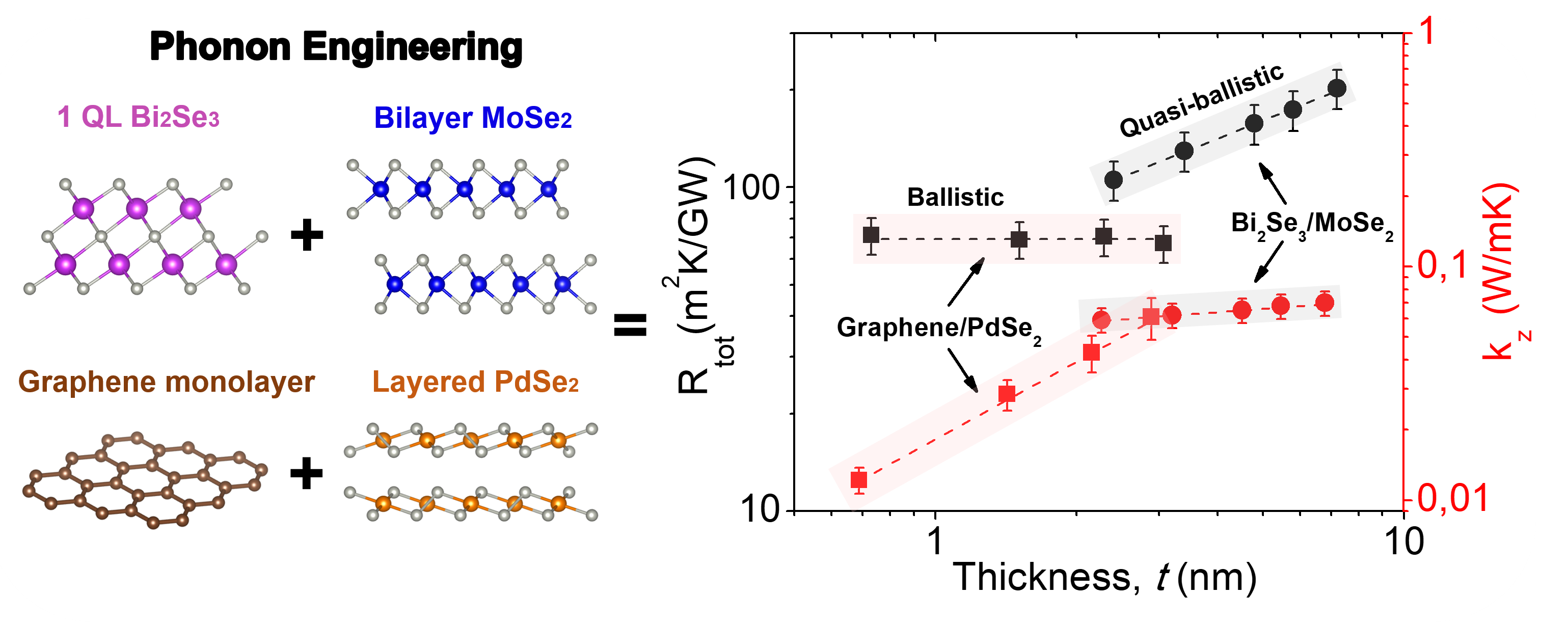
A paper recently published in ‘Nano Letters’ introduces two types of hetero-structured materials, grown by epitaxy on a large area, that exhibit remarkable thermal properties. In particular, the ultralow thermal conductivity along the cross-layer direction allows for heat management application in electronic devices. This study was coordinated by former and current ICN2 researchers.
Wednesday, 19 July 2023
The spin-off company, an innovative graphene-based neural network platform developer, appoints nobel laureate, AI, neuroscience, and neuroethics experts to shape and realize its vision for the future of 2D materials.
Thursday, 13 July 2023
A team of scientists from various Spanish research centres synthesized a new reticular material that can be used to detoxify hazardous chemicals, thanks to its ability to act as a reaction catalyst. This very porous and robust material, named BCN-348, has a peculiar structure, typical of a class of materials called ‘metal-organic frameworks’ (or MOFs). This research has been recently published in ‘Chemical Communication’ and was coordinated by ICREA Prof. Daniel Maspoch, group leader at the ICN2.
Thursday, 06 July 2023
This Award was conferred to Prof. Escudero Escribano in recognition of her outstanding contribution to materials chemistry.
Thursday, 29 June 2023
The 13th edition of the Graphene Conference series, the most prominent European event centered on graphene and 2D materials, is in its final stages in Manchester, UK. The ICN2 has played again a significant role at this year's conference, with numerous members of the institute giving high-profile presentations, including ICN2's Director, Prof. Pablo Ordejón, and ICREA Prof. Stephan Roche acting as members of the Organising Committee.
Friday, 23 June 2023
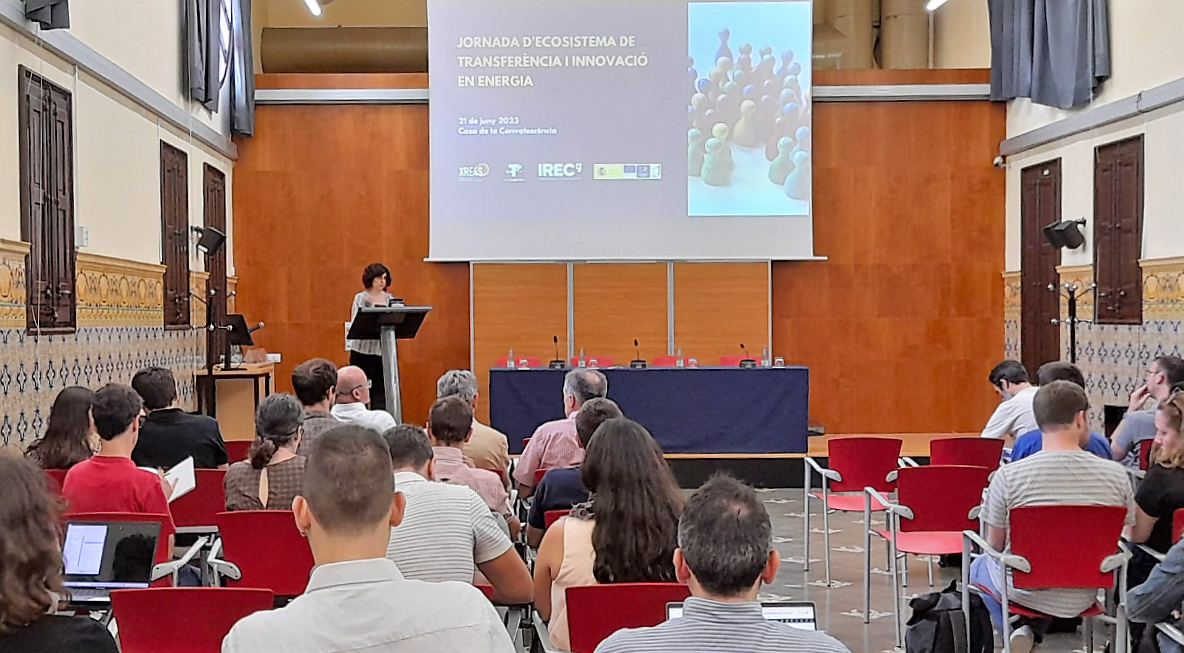
Three researchers from the ICN2 presented their projects in this meeting dedicated to industrial research and technology transfer in the field of green energy and sustainability.
Friday, 16 June 2023
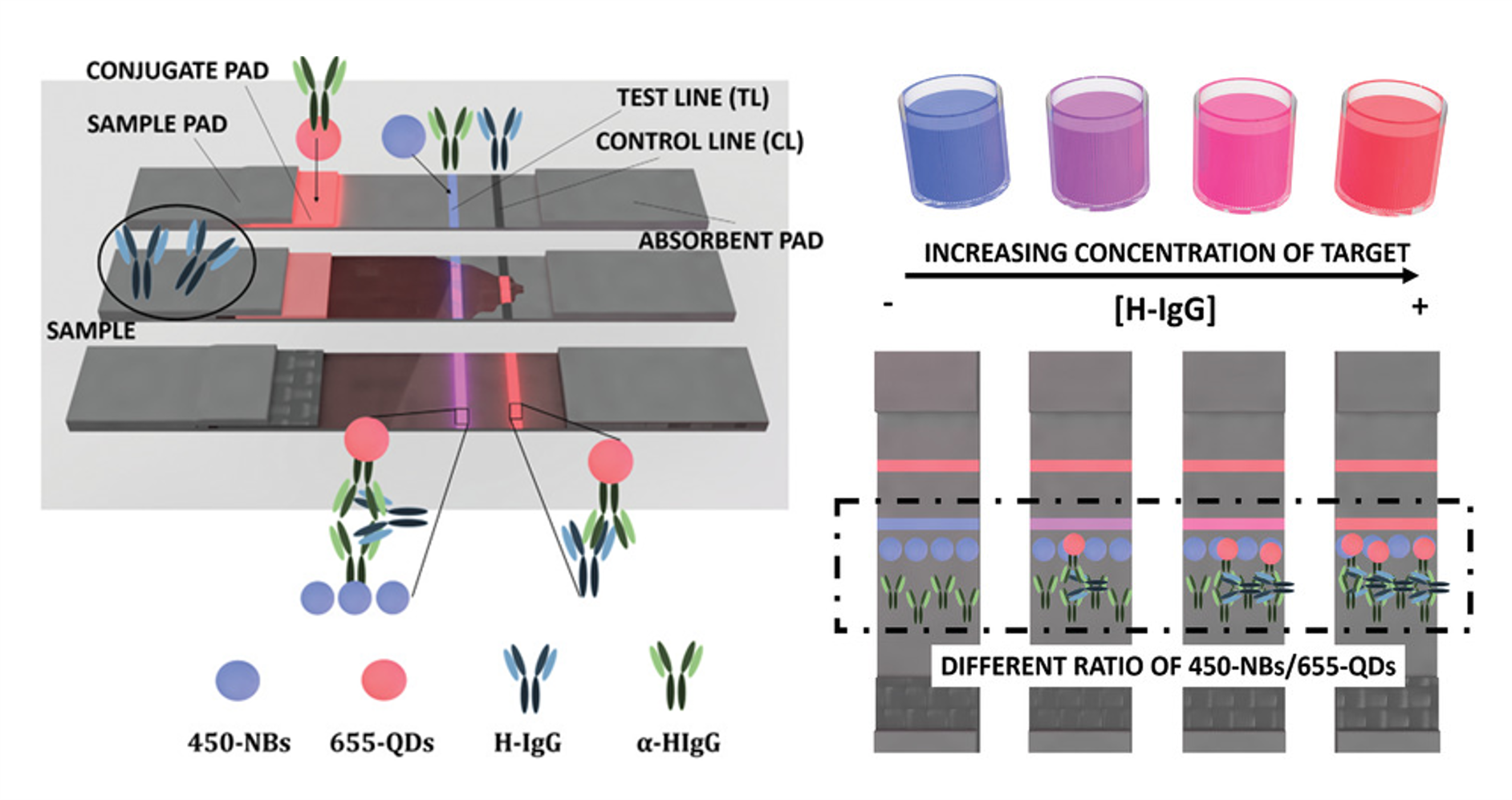
A study published in “Advanced Materials Technology” introducing a ratiometric fluorescent method to improve lateral flow immunoassay tests has been selected among the best works published by the journal in 2022. The authors of this research are current and former members of the ICN2 Nanobioelectronics and Biosensors Group.
Wednesday, 07 June 2023
A study published in APL Materials provides a method, based on the combination of two measurements techniques, to extract the optical and elastic properties materials in microspheres structures without damaging them, which had proved particularly challenging so far. This research also revealed that both the refractive index and the elastic constants of the examined glass materials are reduced in the microspheres with respect to their bulk counterparts. This is crucial information for integrated optical glass elements.
Wednesday, 31 May 2023
A paper recently published in the Royal Society Open Science journal discusses the advantages of implementing a modular approach in electronic structure simulation software and demonstrates the increased efficiency of SIESTA, a lighthouse code of the MaX Centre of Excellence that in recent years has been redesigned according to this principle. Among the authors is Prof. Pablo Ordejón, ICN2 group leader and Director.
Tuesday, 16 May 2023
A study carried out by researchers from the HZDR Institute of Radiation Physics, ICN2 Ultrafast Dynamics in Nanoscale Systems group, University of Exeter Centre for Graphene Science, and TU Eindhoven demonstrates that graphene-based materials can be used to efficiently convert high-frequency signals (in the terahertz regime) into visible light, and that this mechanism is tunable. These outcomes open the path to exciting applications in next-future information and communication technologies.
Monday, 15 May 2023
A team of researchers led by ICREA Prof. Dr Clivia Sotomayor-Torres, leader of the ICN2 Phononic and Photonic Nanostructures Group, has developed a waveguide platform in which self-sustained coherent phonons in the GHz regime can be generated at room temperature. As this platform is CMOS-compatible, this technique could impulse further development of phononic circuitry for telecommunication applications.
Tuesday, 21 March 2023
A paper recently published in the journal ‘Review of Scientific Instruments’ introduces a new all-optical technique for measuring thermal diffusion in nanoscale systems. The study was conducted by a team of researchers led by Prof. Klaas-Jan Tielrooij, senior group leader at ICN2. This “pre-time-zero spatiotemporal pump-probe microscopy" has several important benefits over existing techniques and provides an excellent tool for studying heat transport at the nanoscale.
Wednesday, 15 March 2023
The project aims to apply the NOEMS technology, which is compatible with standard CMOS microelectronics, to optimise various functionalities of complex wireless networks, resulting in cheaper systems that consume less power. The ICN2 Phononic and Photonic Nanostructures Group, led by Prof. Dr Clivia Sotomayor-Torres, will participate in this research.
Tuesday, 14 March 2023
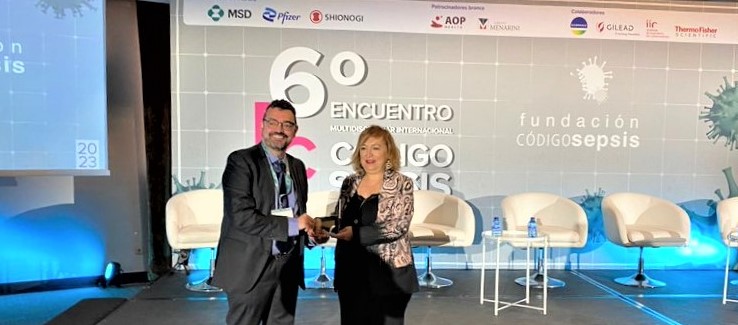
The jury recognised the enormous relevance of the research led by Prof. Lechuga, in particular in developing new diagnostic methods, and her commitment to promoting technology transfer.
Tuesday, 07 March 2023
Dr. Ing Ralf Heiderhoff, from Bergische Universität Wuppertal, was invited by Prof. Dr Clivia Sotomayor Torres to visit the ICN2 and to give a course on nanoscale characterization techniques, which was highly appreciated by the researcher community. This strengthened relationship will pave the way for new research collaborations between ICN2 and the University of Wuppertal.
Monday, 06 March 2023
A research published in ACS Nano and featured on the cover of the issue proposes externally controlled iron magnetoplasmonic nanocapsules for cancer treatment. Satisfactory results have already been obtained in the preclinical phase in mice. This study was carried out by reseachers from the Barcelona Institute of Microelectronics (IMB-CNM-CSIC), the Catalan Institute of Nanoscience and Nanotechnology (ICN2) and the Hebrew University of Jerusalem (HU).
Thursday, 02 March 2023
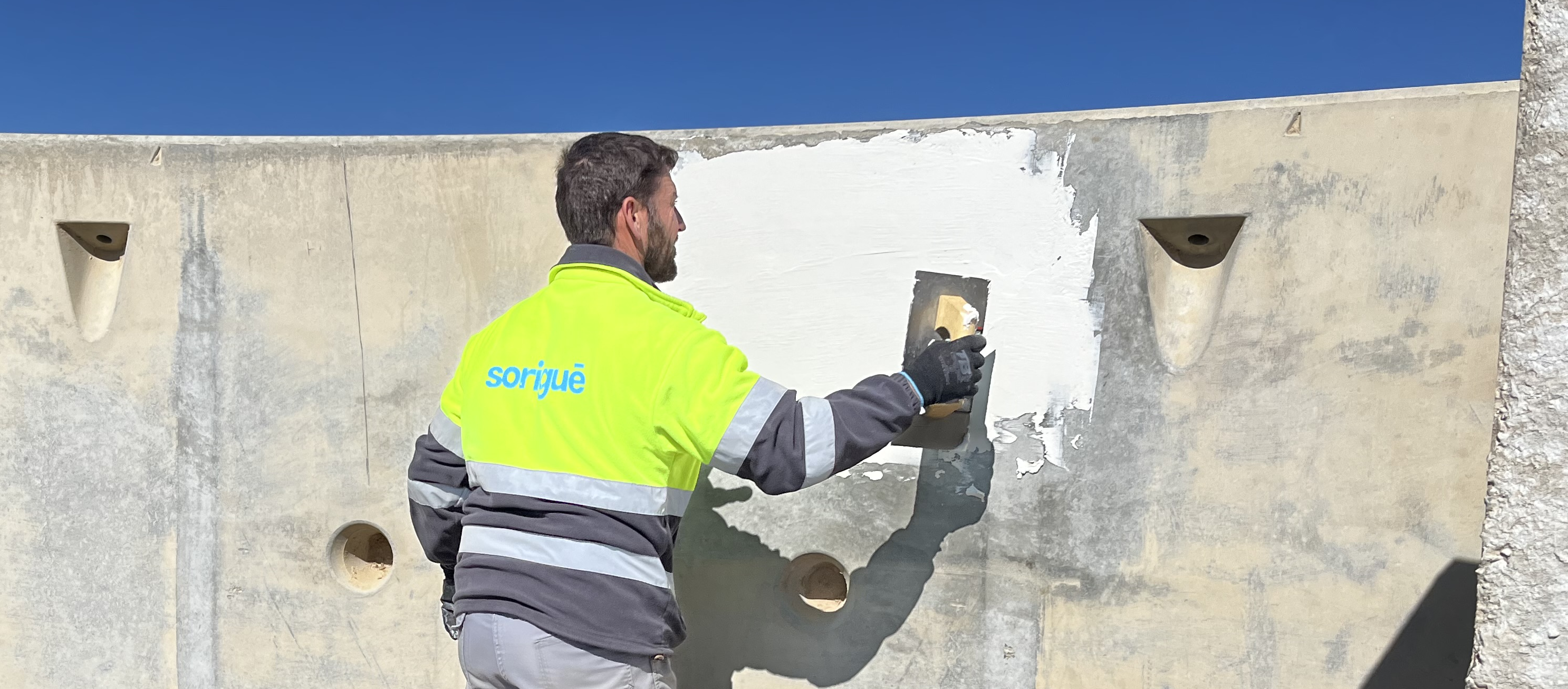
ICN2 is collaborating with the companies Sorigué and Cales de Pachs to develop a material, to be adhered to different surfaces, that can capture CO2. The tests of this technology, developed and patented at the ICN2 in the framework of the LightNET project, are being carried out at Sorigué's La plana del Corb industrial complex.
Wednesday, 01 March 2023
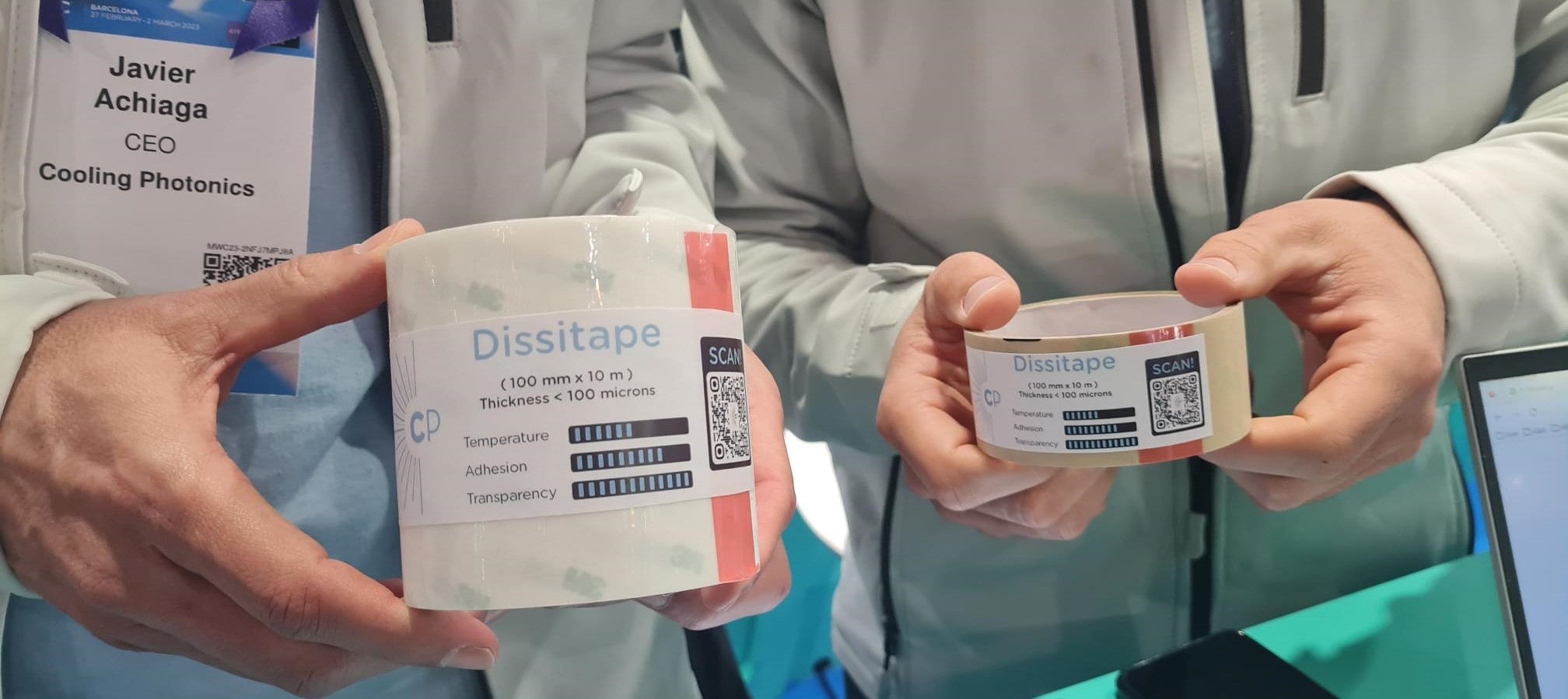
ICN2 showcases four of its most promising spin-off companies at the 4YFN (4 Years From Now) event held in Barcelona during MWC23. InBrain Neuroelectronics, Napptilus Battery Labs, Paperdrop Diagnostics, and Cooling Photonics presented their cutting-edge technologies and business models to potential investors and collaborators.
Tuesday, 28 February 2023
Funded by EIG CONCERT-Japan, the project will be coordinated by the ICN2, with Dr Marianna Sledzinska as primary investigator.
Friday, 24 February 2023
A study published in ACS sensor and led by members of the ICN2 Nanobioelectronics and Biosensors Group introduces a one-step, versatile technique to produce nanocomposite films (made of reduced graphene oxide embedding metal nanoparticles) to be used as sensing substrates for different applications. The simplicity of this approach can allow scaling sensor production and reducing costs.